
 Customer Service
Pre-sales SILL Agent 6 Xiaoxiao
ID 109501
 +86 574-6319 6918
 manager@sillbearing.com
 Building 32, Zone B, Wanyang Mass Creation City, Henghe Town, Cixi, Ningbo, China.
ID 109501
ID 109503
ID 109505
Date:
What is a bearing cage?
A bearing cage is a bearing component that partially encloses all or part of the rolling elements and moves together with them. It is mainly used to separate rolling elements. Normally, it also properly guides the rolling elements and keeps them positioned inside the bearing.
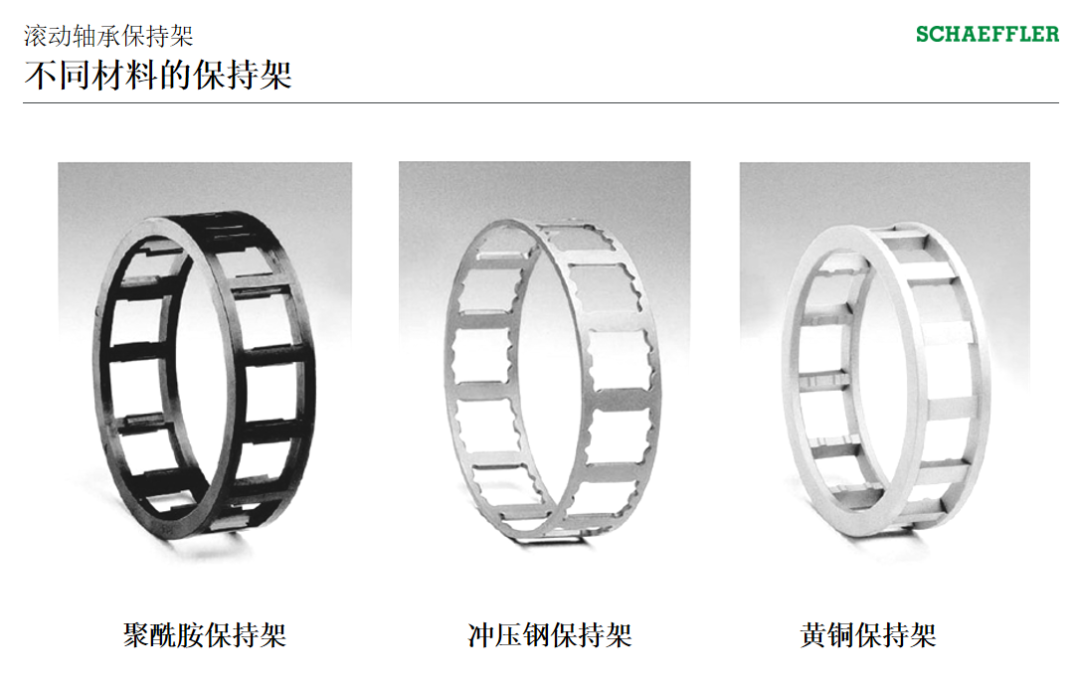
I. Key Functions of Bearing Cage
1、Maintain proper spacing between rolling elements at all times to prevent contact between rolling elements and reduce friction.
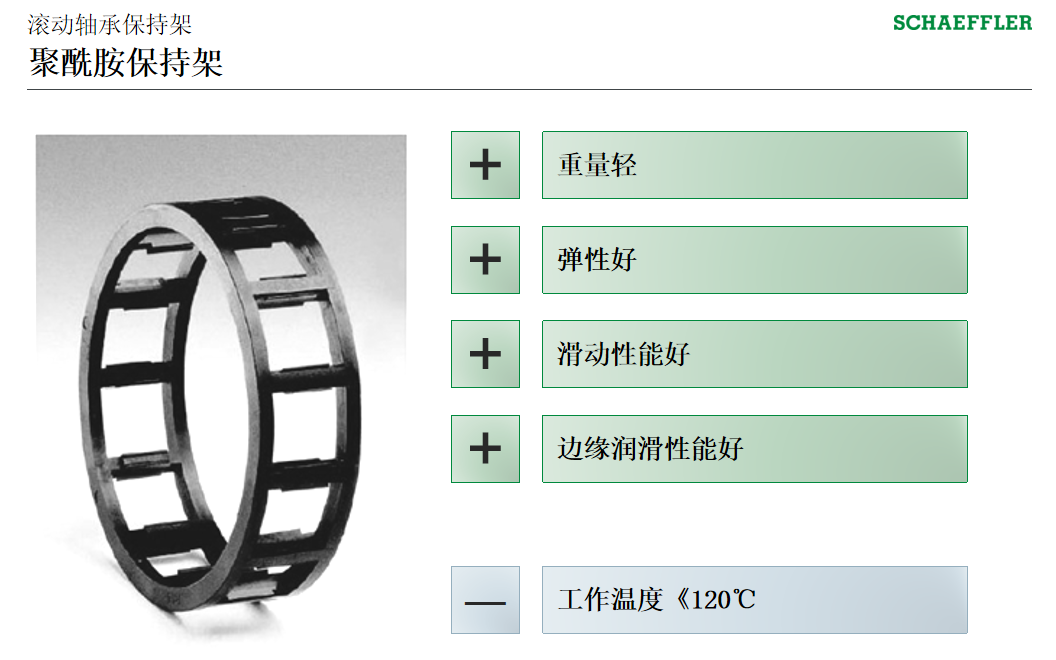
2、Distribute the rolling elements evenly, so that the load can be uniformly distributed.
The cage bears stresses caused by friction, strain and inertia forces. It also withstands chemical corrosion from lubricants, lubricant additives, substances generated by lubricant aging, organic solvents, coolants and so on. Therefore, the design and material of the cage are critical to its performance and the reliability of the bearing.
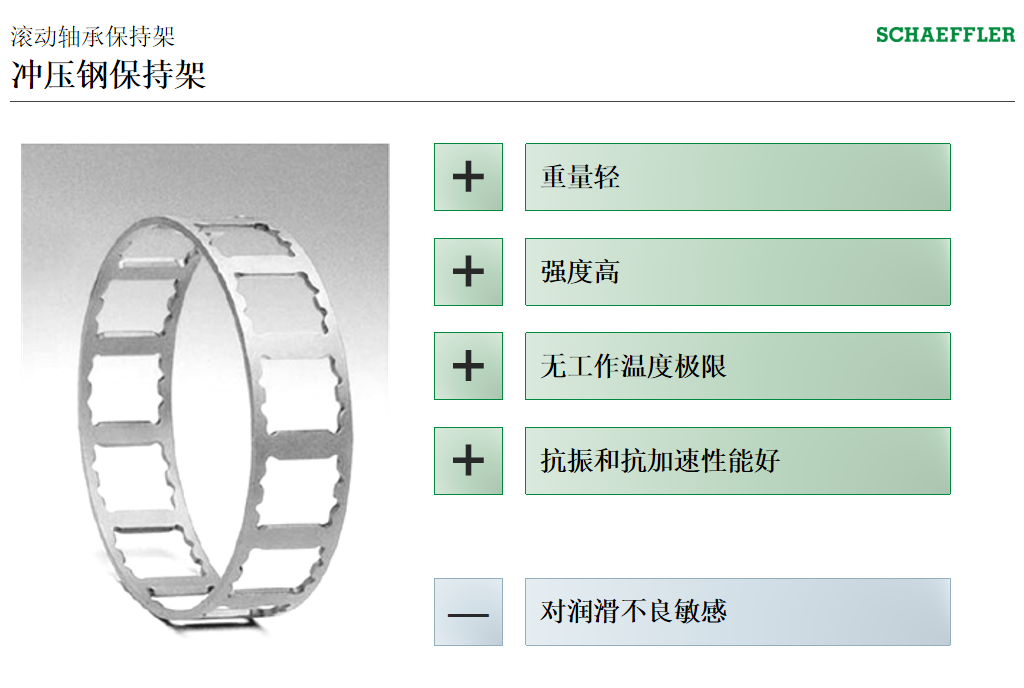
II. Types of Bearing Cages
Bearing cages are classified into stamped cages, solid cages and pillar cages. Solid cages generally allow higher rotational speeds. Machined metal cages shall also be adopted when the bearing undergoes motions other than rotation, especially under high-speed conditions.
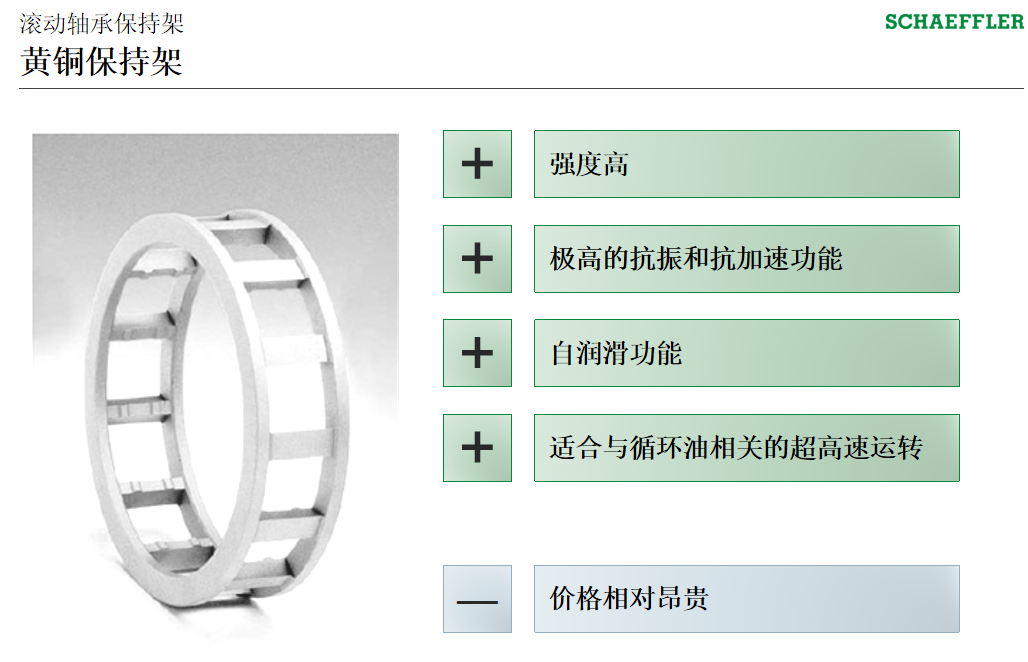
Stamped steel cages feature high strength. Surface treatment can be applied to reduce friction and wear. Machined steel cages are generally used for extra-large bearings or applications where brass cages are unsuitable. Stamped brass cages apply to some small and medium-sized bearings. Machined brass cages are normally not affected by bearing lubricants and can be cleaned with common lubricants. Brass cages cannot be used at operating temperatures above 250℃. Compared with metal cages, polymer cages (nylon 66, nylon 46, etc.) have many advantages such as good toughness, wear resistance, impact resistance, acid resistance and corrosion resistance.
(Source: Jinan Yingchuang Bearing)
Fill in the form below and submit. We will receive your email and reply soon.
Enter the code shown in the image to send your email.