
 Customer Service
Pre-sales SILL Agent 6 Xiaoxiao
ID 109501
 +86 574-6319 6918
 manager@sillbearing.com
 Building 32, Zone B, Wanyang Mass Creation City, Henghe Town, Cixi, Ningbo, China.
ID 109501
ID 109503
ID 109505
Date:
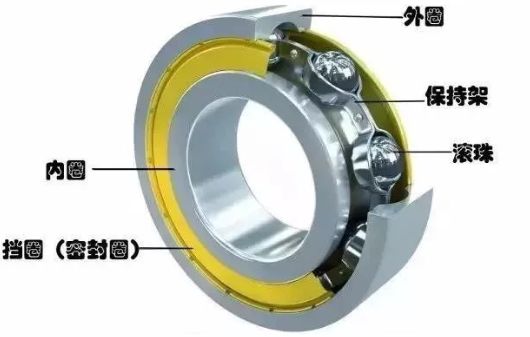
Bearing cage, also known as bearing retainer, is one of the main components of a bearing. It encloses and separates the rolling elements and moves along with them, and usually serves to guide the rolling elements.
Main Functions of the Cage
1. Maintain proper spacing between rolling elements to prevent them from contacting each other and reduce friction;
2. Distribute the rolling elements evenly for uniform load distribution.
3. Guide the rolling elements in the unloaded zone to improve rolling conditions inside the bearing and avoid damaging sliding.
The cage is subjected to stresses caused by friction, strain and inertia forces. It also suffers chemical corrosion from lubricants, lubricant additives, substances generated by lubricant aging, organic solvents or coolants. Therefore, the design and material of the cage are critical to its performance and the reliability of the bearing.
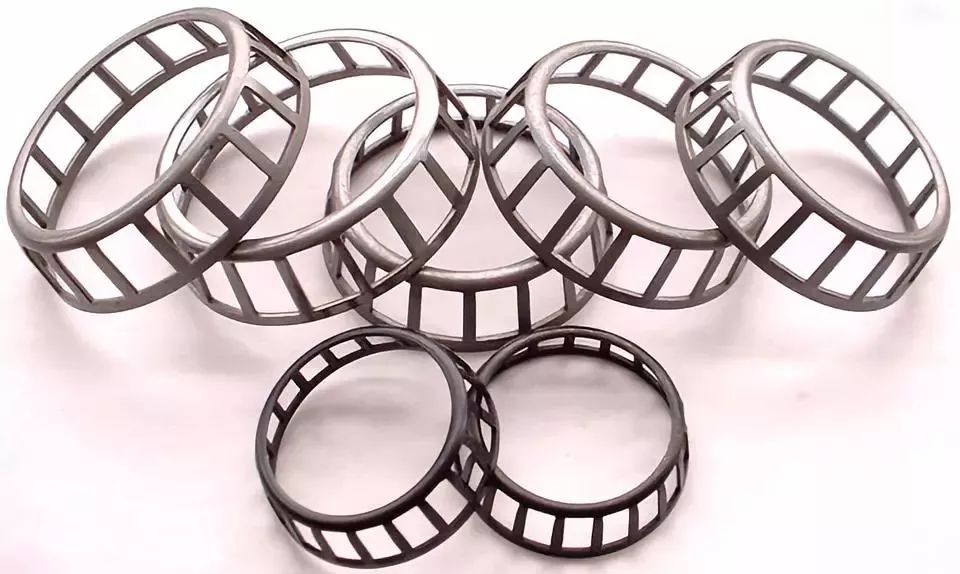
Types of Bearing Cages
Bearing cages are classified into stamped cages, solid cages and pillar cages.
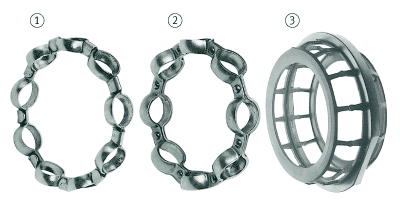
Stamped Cage
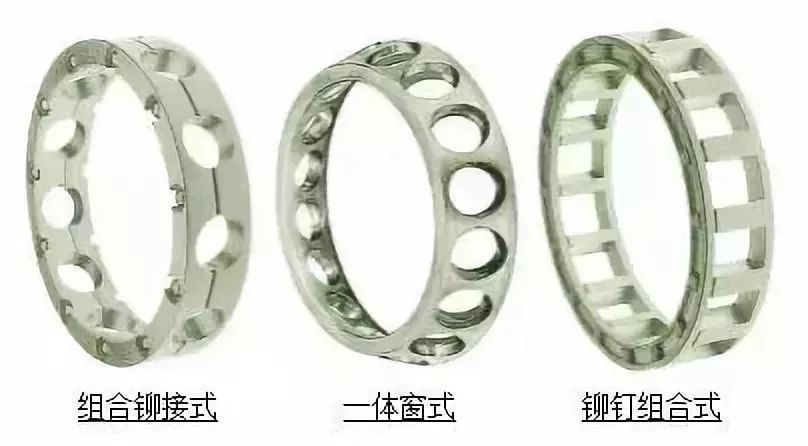
Solid Cage
1、The advantages of stamped cages are light weight and ample internal space for lubricant to flow in.
2、Solid cages generally permit higher rotational speeds. Machined metal cages shall also be adopted when the bearing undergoes motions other than rotation, especially under high-speed conditions;
3、A pillar cage uses pins to pass through bored rollers, with both ends of the pins fixed to washers. This type of cage is lightweight and can accommodate more rollers, and it is only used for extra-large roller bearings.
Materials for Bearing Cages
Cage materials mainly include stamped steel, machined steel, stamped brass, machined brass and polymer materials.
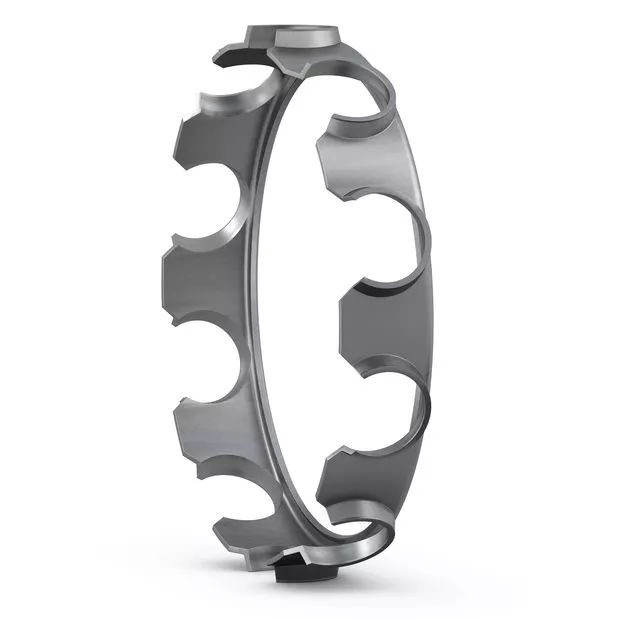
Stamped Steel Plate Cage
Material: Cold-stamped from high-quality carbon steel sheets of grades 08 and 10.
Advantages: Light weight, good toughness, easy processing, and occupies little space between the bearing inner and outer rings. Lubricating oil can easily enter the bearing and remain inside the cage.
Application: Stamped steel cages are generally used for small and medium-sized bearings.
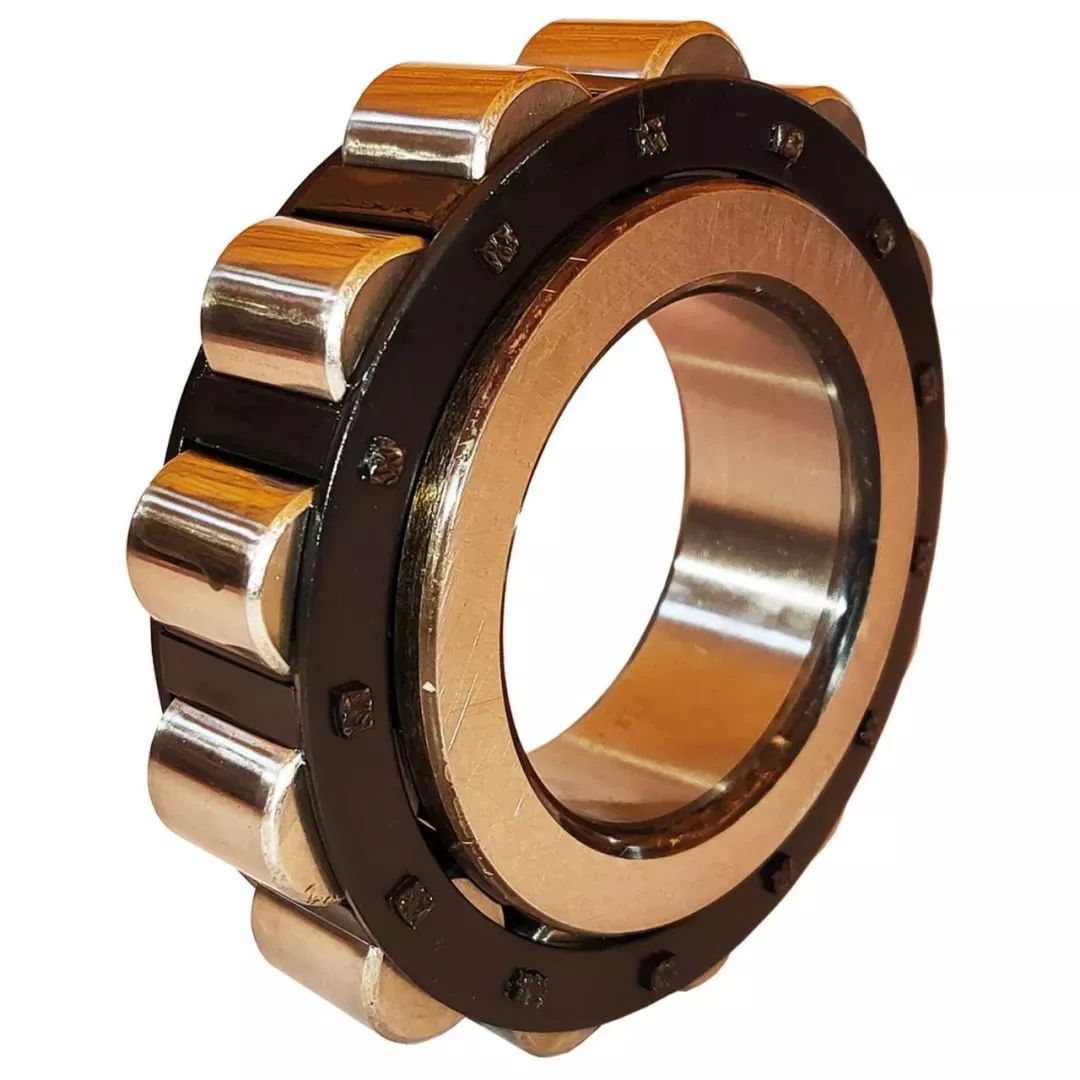
Solid Steel Cage
Material: Finely machined from carbon steel forgings.
Advantages: Relatively heavy, high strength, good rigidity and low cost.
Application: Solid steel cages are commonly adopted for medium and large-sized bearings.
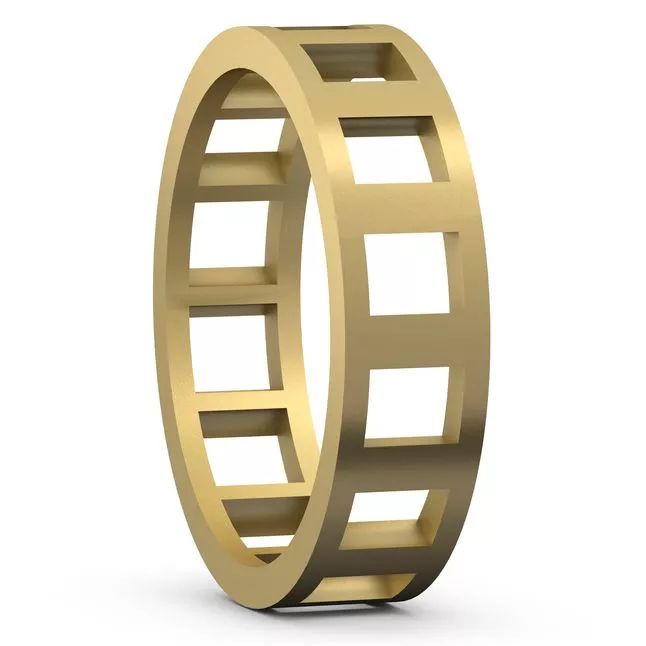
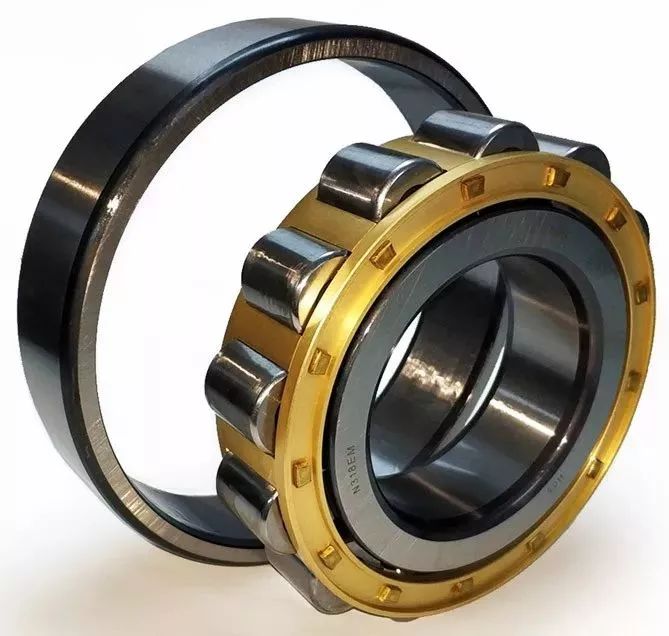
Solid Brass Cage
Material: Finely machined from high-strength brass castings.
Advantages: High strength, good vibration resistance, low friction coefficient, excellent thermal conductivity, relatively high cost.
Application: Suitable for medium, large and extra-large bearings; for working conditions requiring high speed, heavy vibration and strong impact loads.
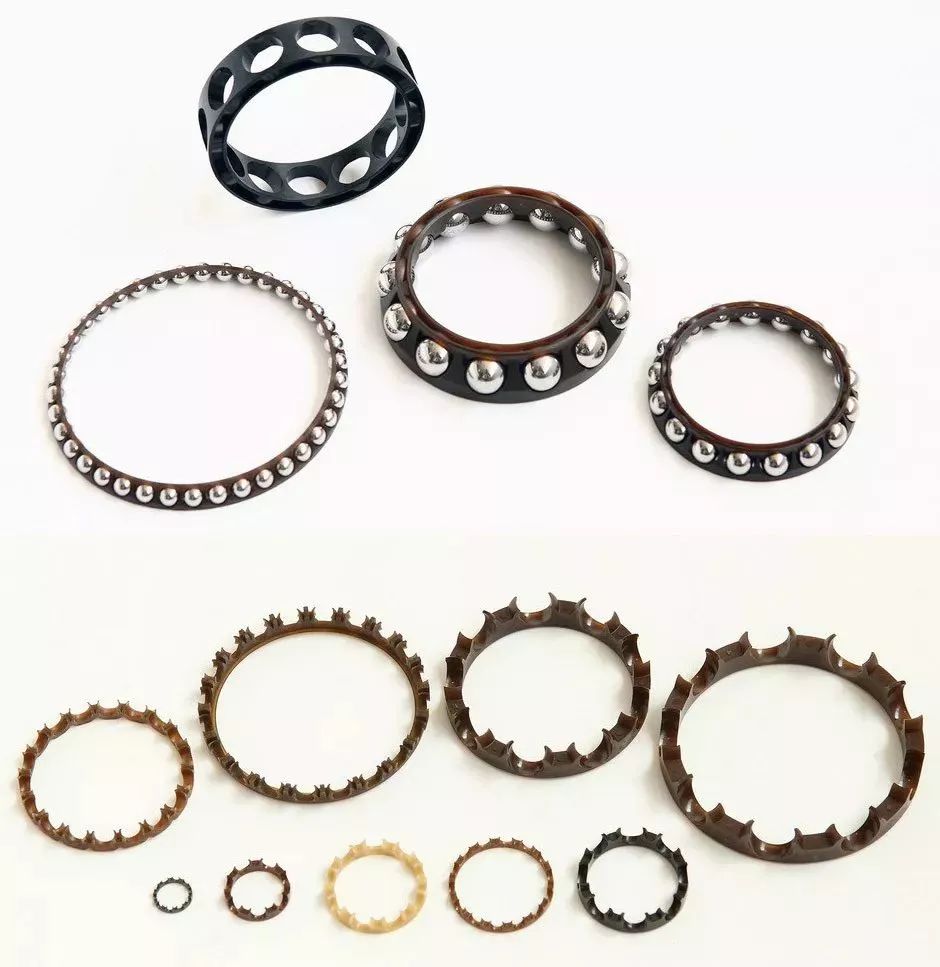
Non-metallic Cage
Material: Mainly polymers and their composite materials, including nylon, phenolic fabric laminate, PTFE (Polytetrafluoroethylene), etc.
Advantages: Light weight, low friction, favorable strength and elasticity, excellent shock resistance and lubricating properties.
Application: Medium, small and miniature bearings; applications requiring high rotational speed.
Besides the above types of cages, other materials such as stainless steel, aluminum alloy and zinc alloy may be used for special conditions.
In addition, bearings of the same model often adopt different types of cages according to operating conditions to achieve optimal service performance.
(Source: Xinchang Bearing Industry Innovation Service Complex)
Fill in the form below and submit. We will receive your email and reply soon.
Enter the code shown in the image to send your email.