
 Customer Service
Pre-sales SILL Agent 6 Xiaoxiao
ID 109501
 +86 574-6319 6918
 manager@sillbearing.com
 Building 32, Zone B, Wanyang Mass Creation City, Henghe Town, Cixi, Ningbo, China.
ID 109501
ID 109503
ID 109505
Date:
01 Bearing Classification
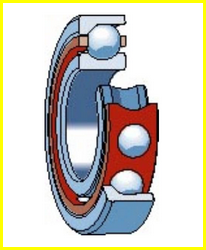
Composition: Inner ring, outer ring, rolling elements, cage, seal and lubricating grease.
Function: A component that defines the relative position between a rotating shaft and other parts, providing support or guidance.
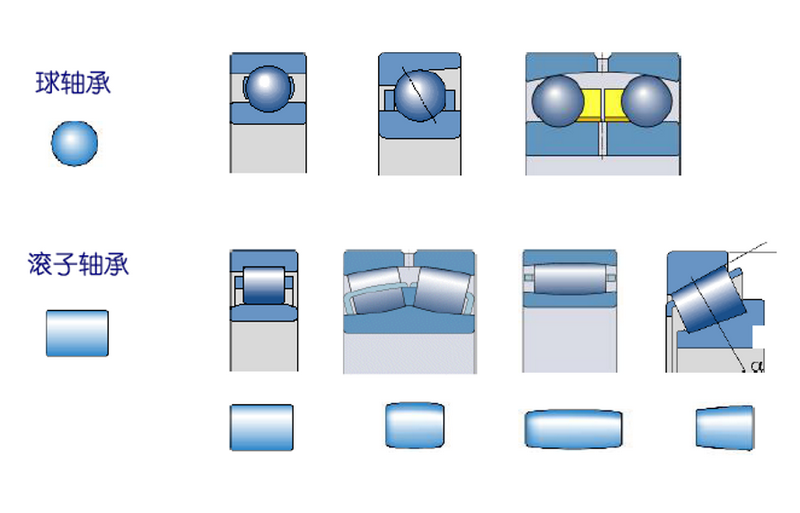
By rolling element: Ball bearings, roller bearings
By contact angle: Radial bearings (0° < a < 45°), thrust bearings (45° < a < 90°)
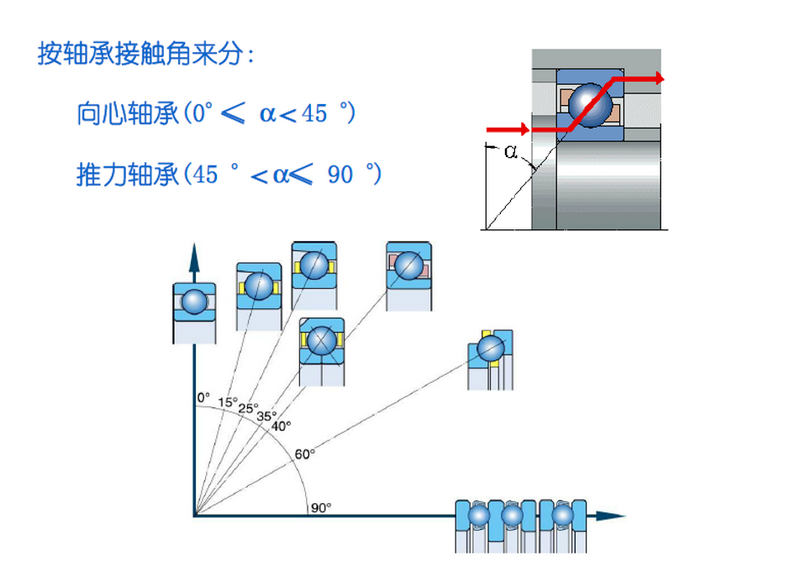
The axial load capacity is determined by the contact angle.
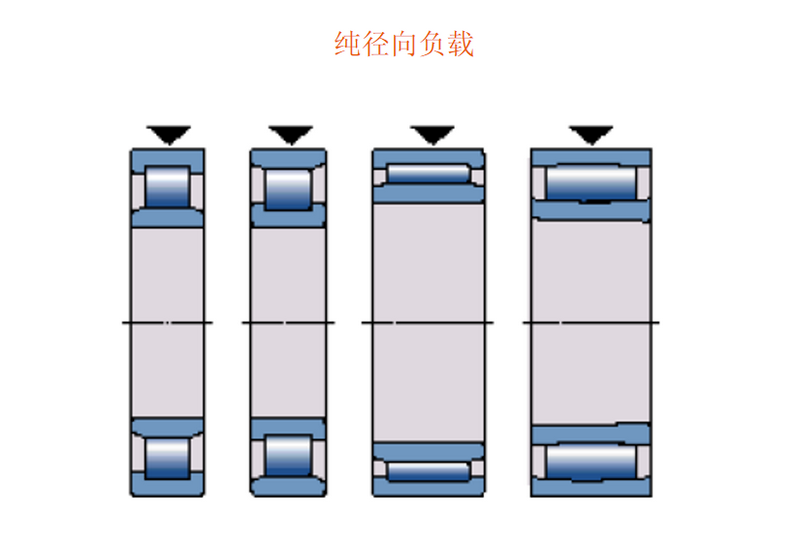
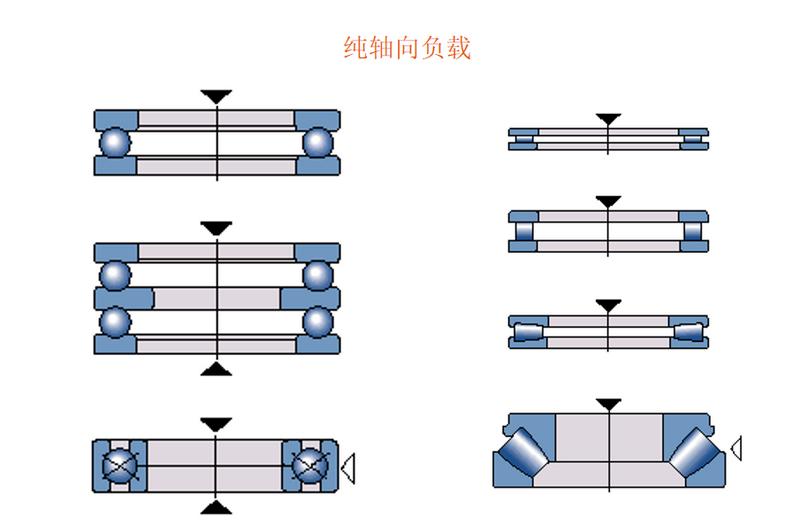
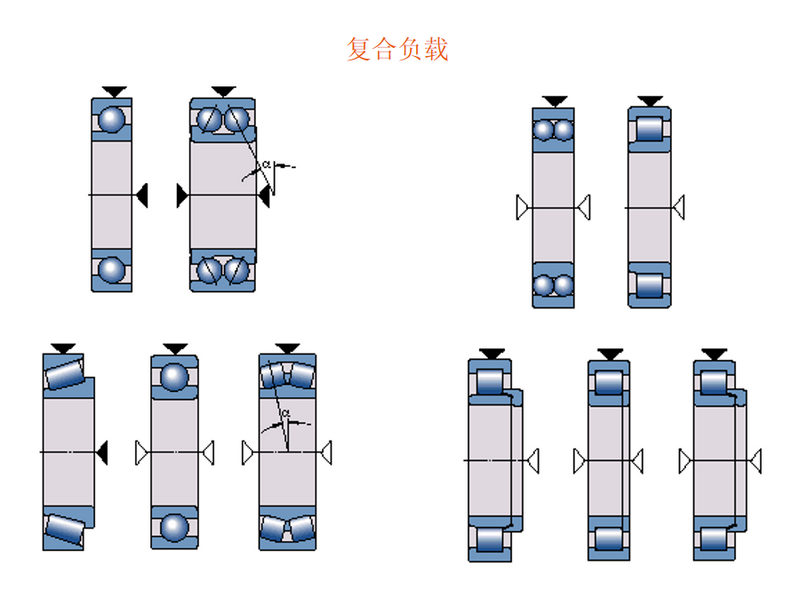
Bearing loads: Axial load Fa, radial load Fr, combined load.
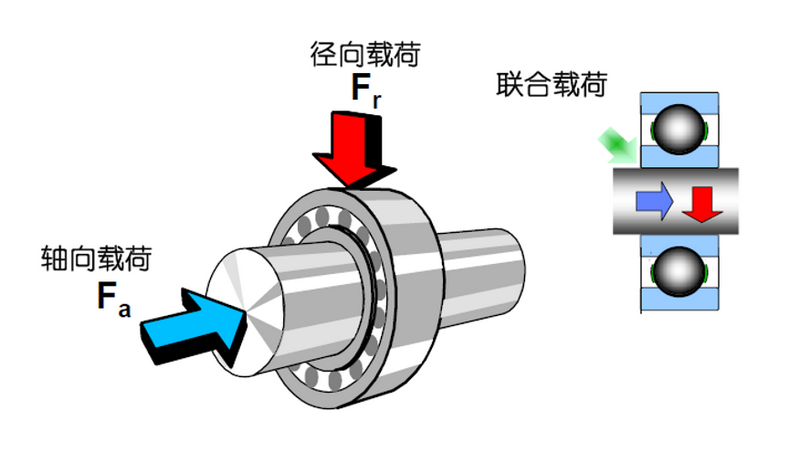
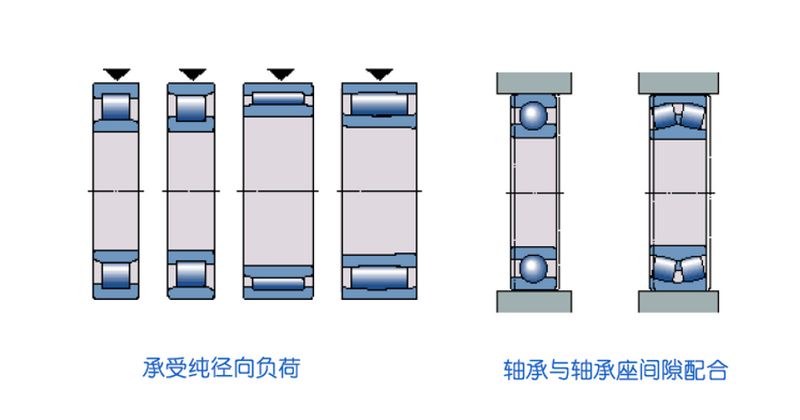
Load types: Pure radial load, pure axial load, combined load.
02 Bearing Characteristics and Bearing Selection
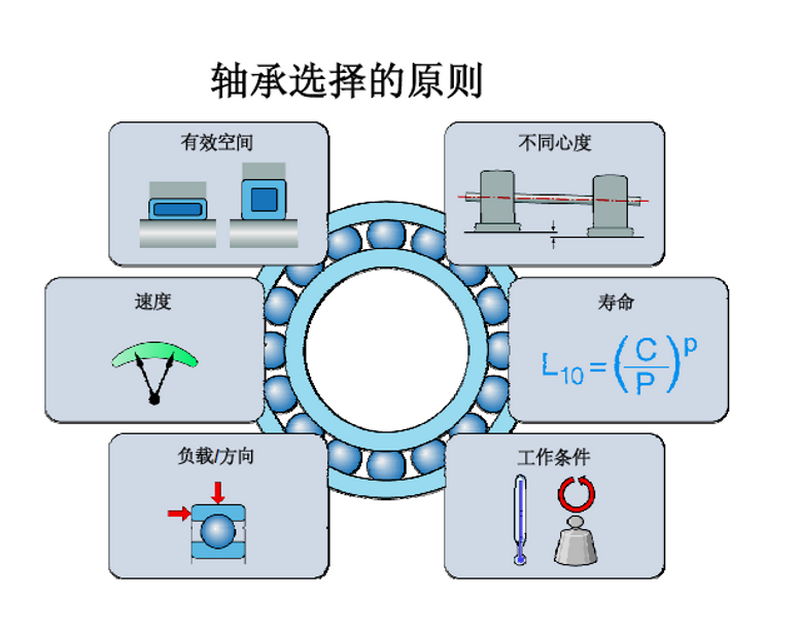
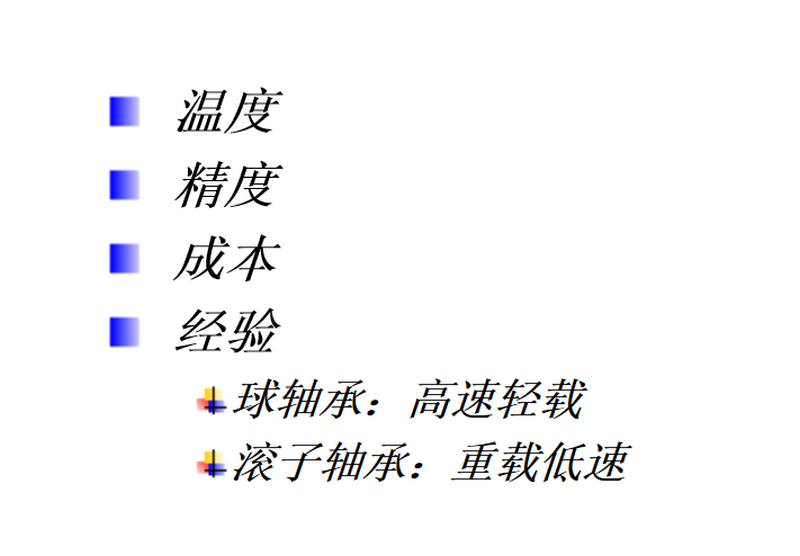
1、Principles of bearing selection
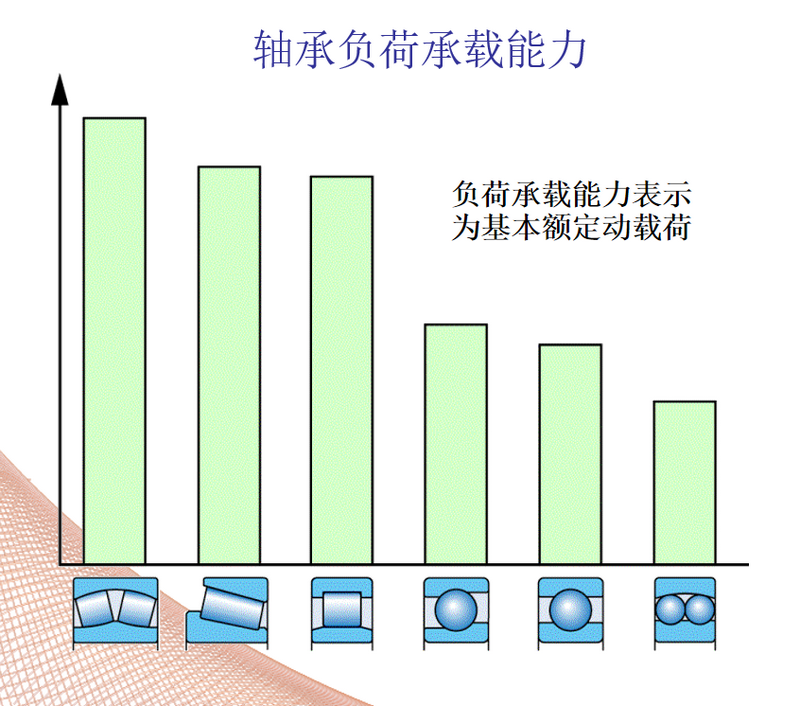
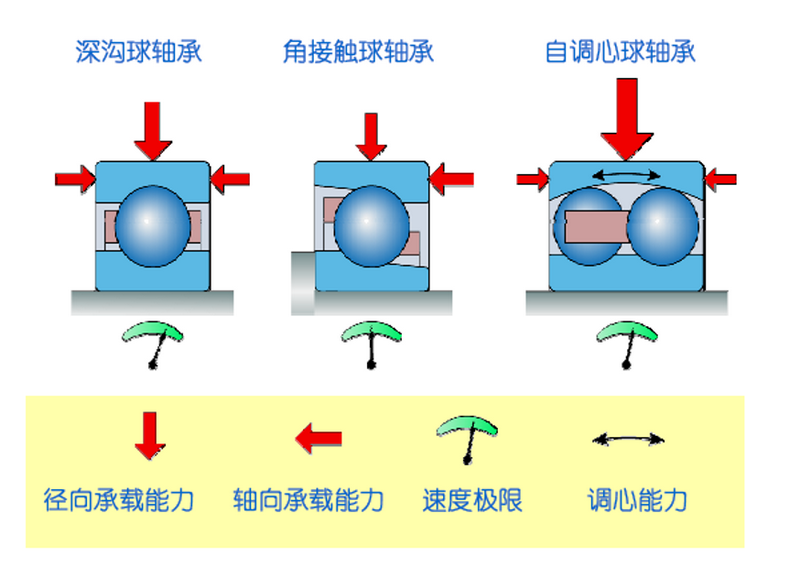
2、Load capacity comparison of various rolling bearings
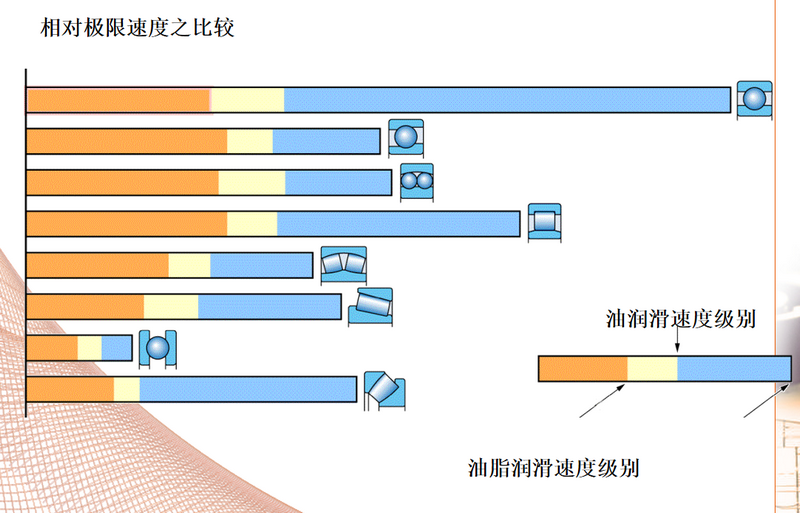
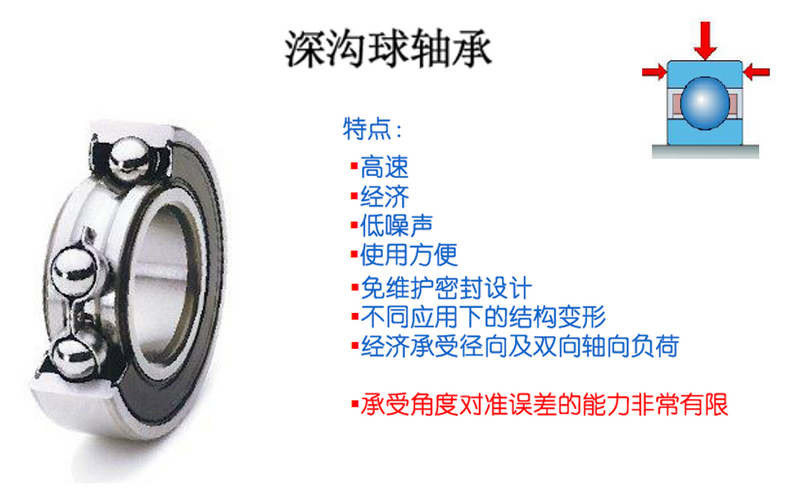
(1)Characteristics of deep groove ball bearings
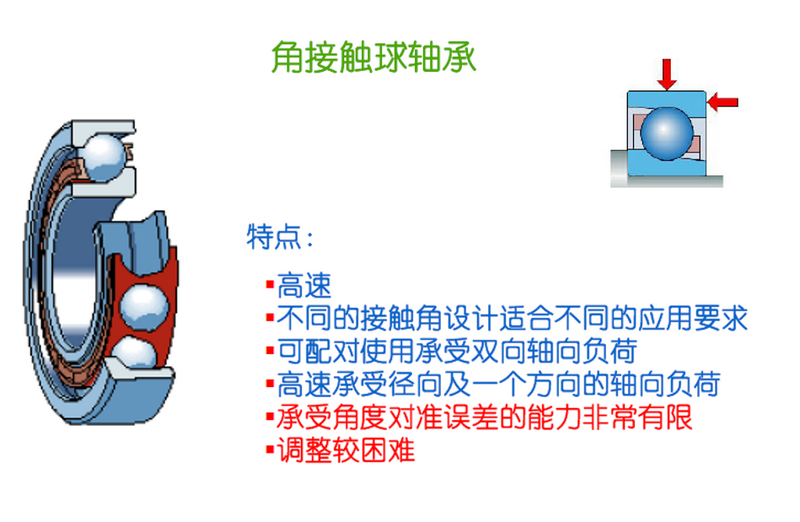
(2)Characteristics of angular contact ball bearings
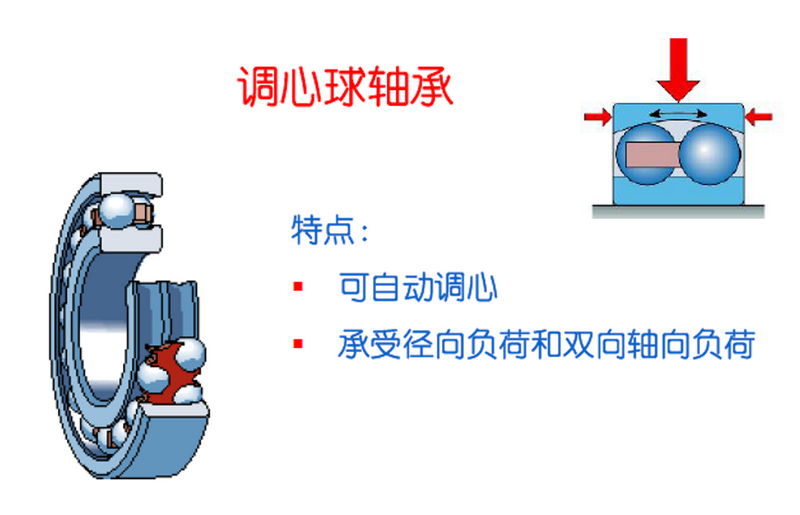
(3)Characteristics of self-aligning ball bearings
(4)Characteristics of ball bearings
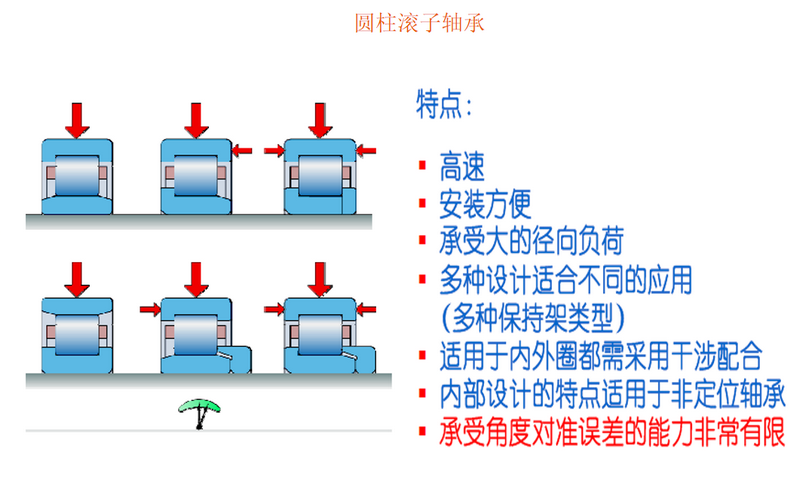
(5)Characteristics of cylindrical roller bearings
(6)Characteristics of tapered roller bearings
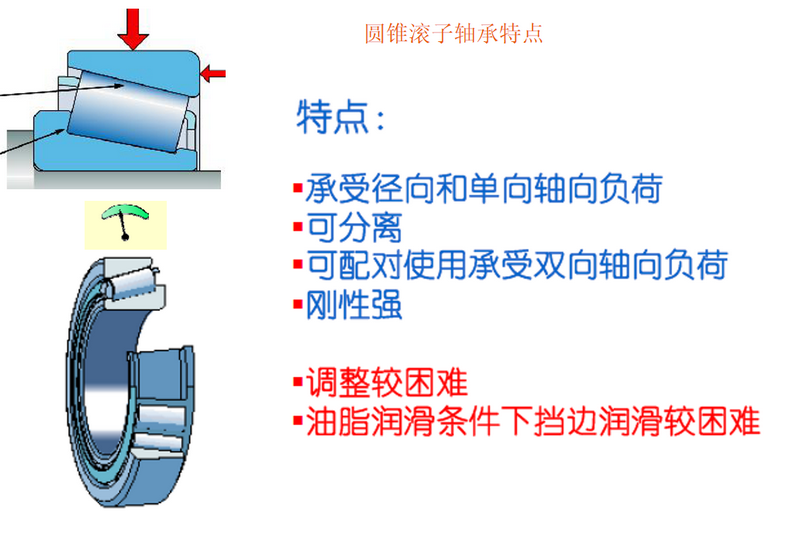
(7)Characteristics of self-aligning roller bearings
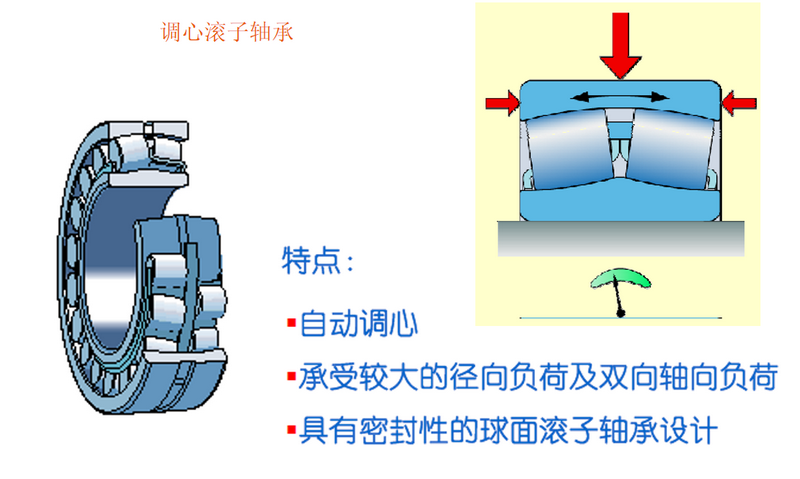
03 Basic Bearing Nomenclature
1、Bearing designation system
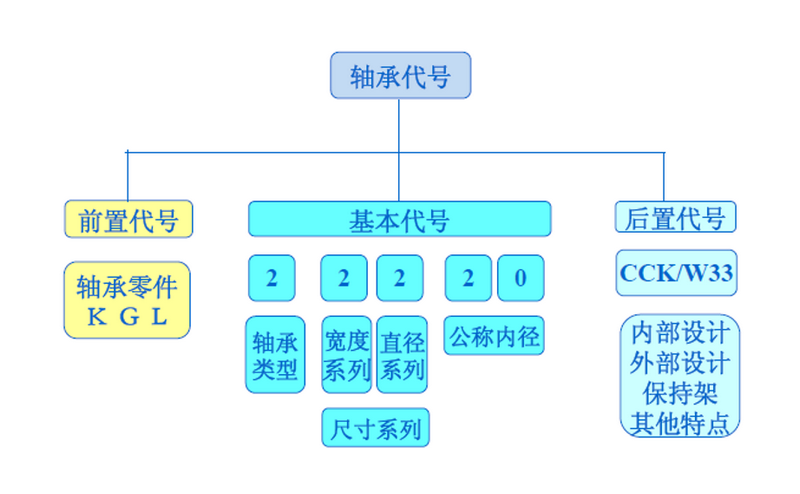
2、Bearing series
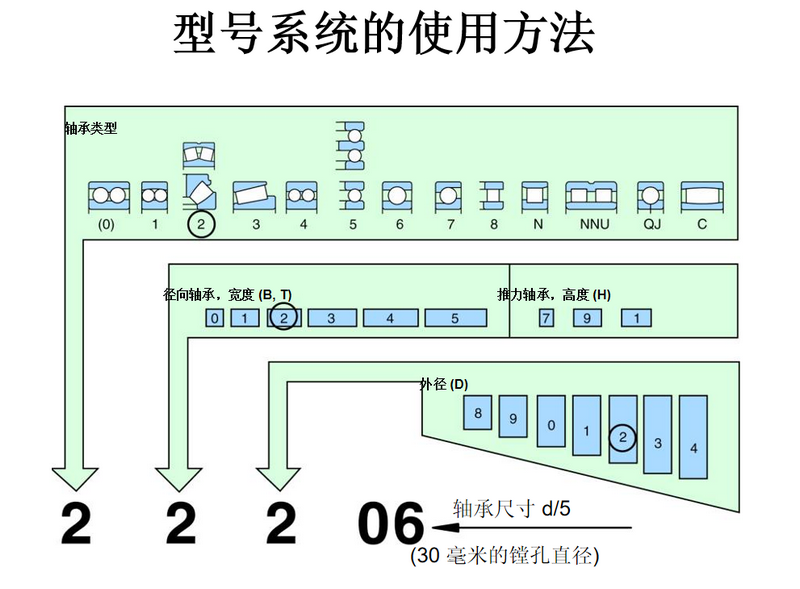
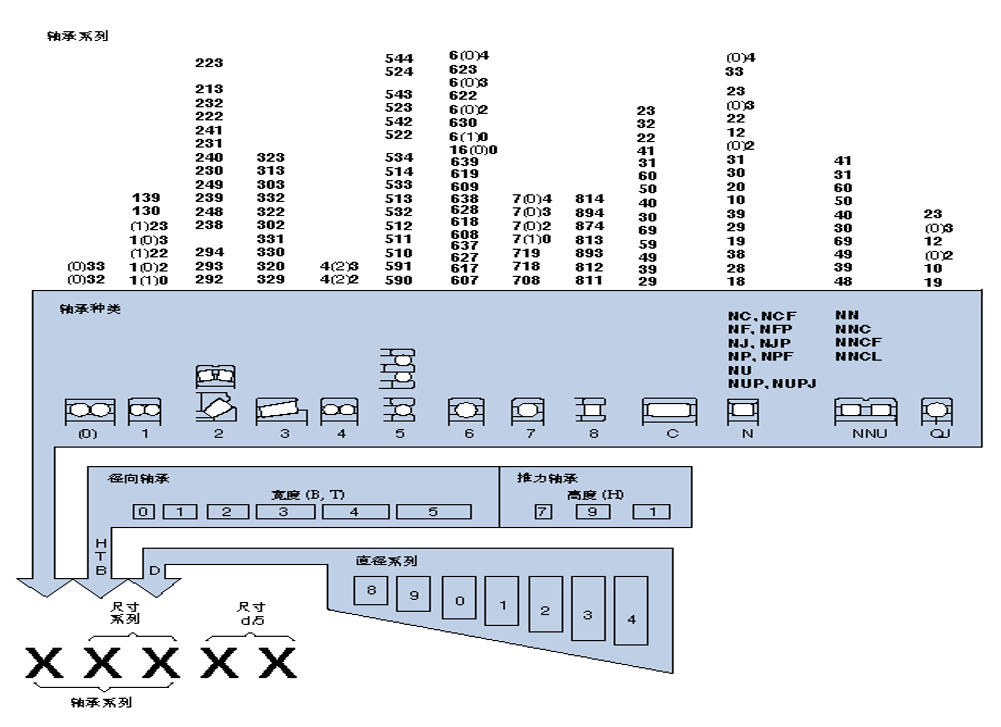
3、Bearing dimension series
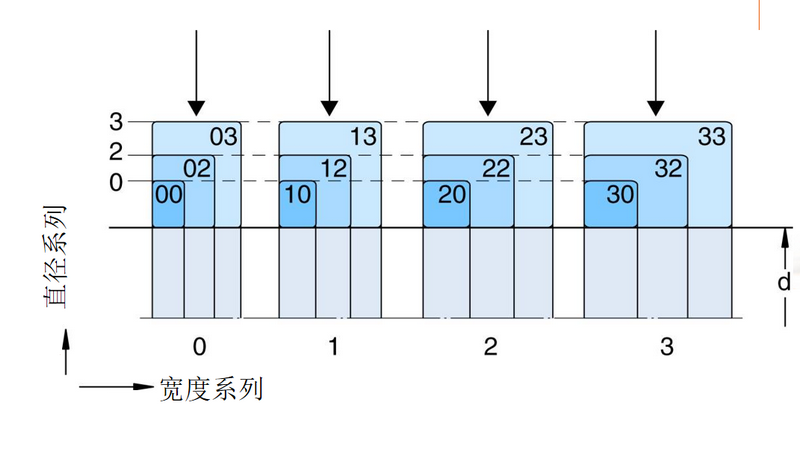
04 Bearing Positioning and Common Arrangements
1.Bearing positioning
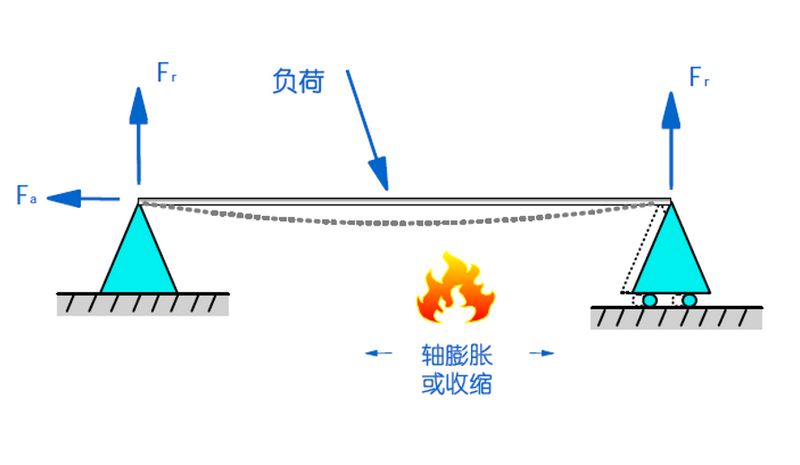
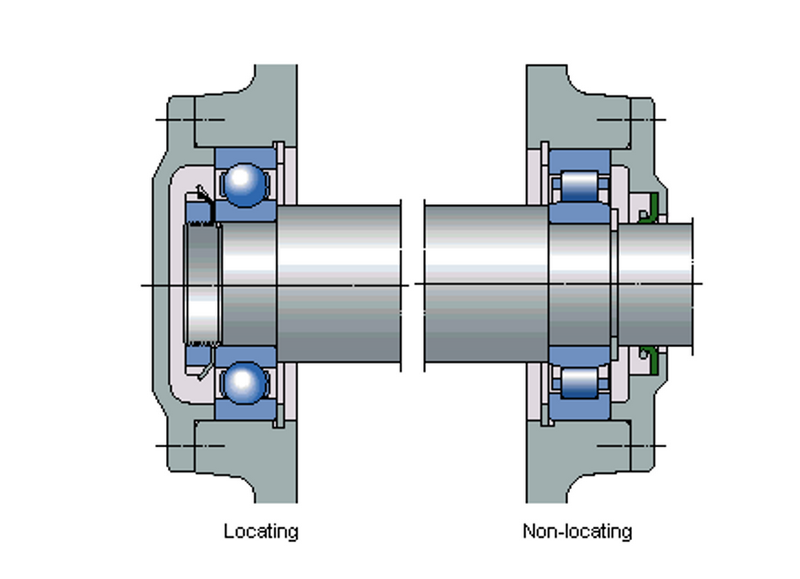
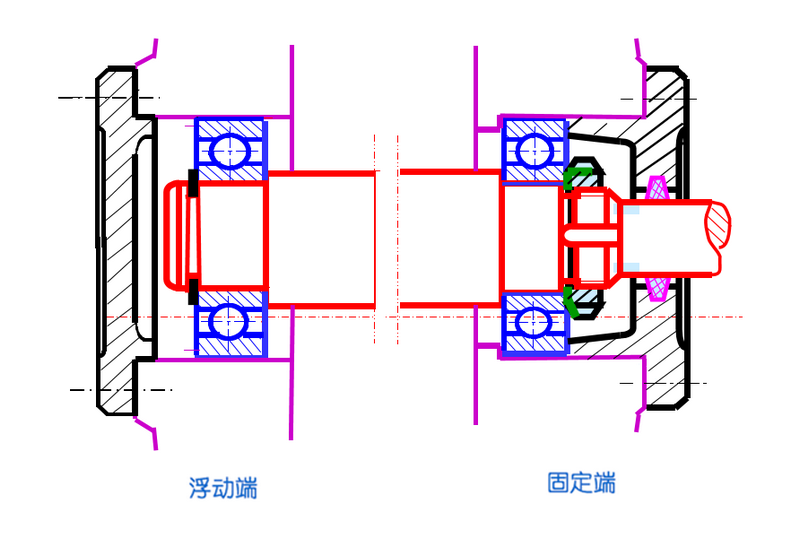
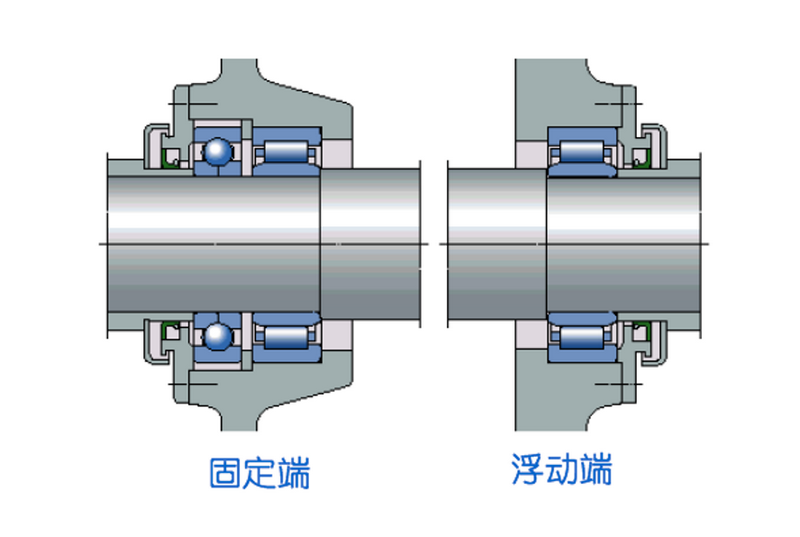
2.Locating bearing
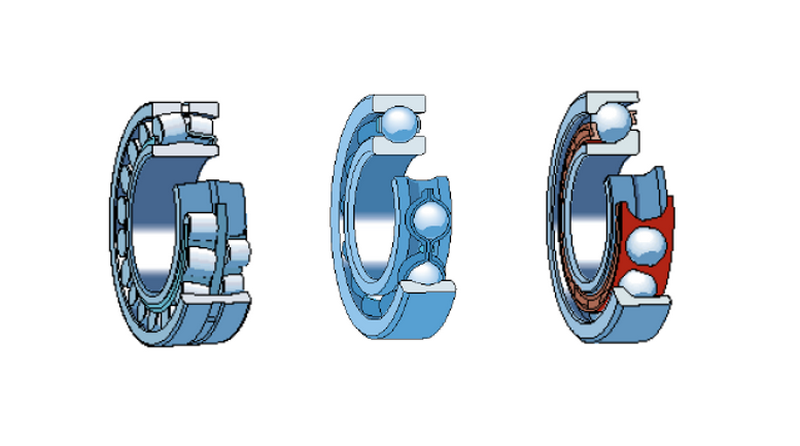
3.Floating bearing
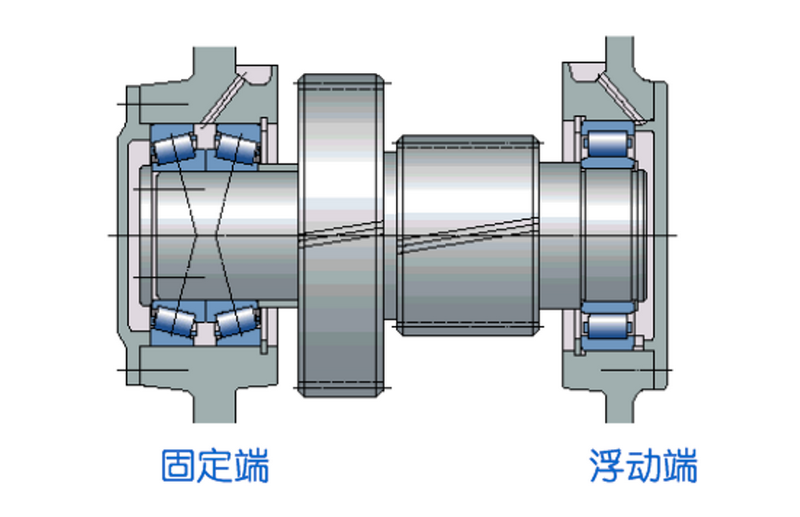
4.Example of locating–floating bearing arrangement
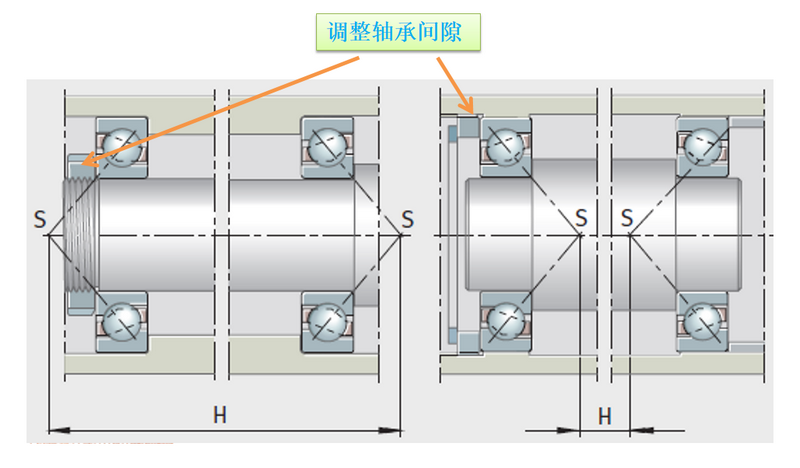
5.Adjustable bearing arrangement — opposed mounting
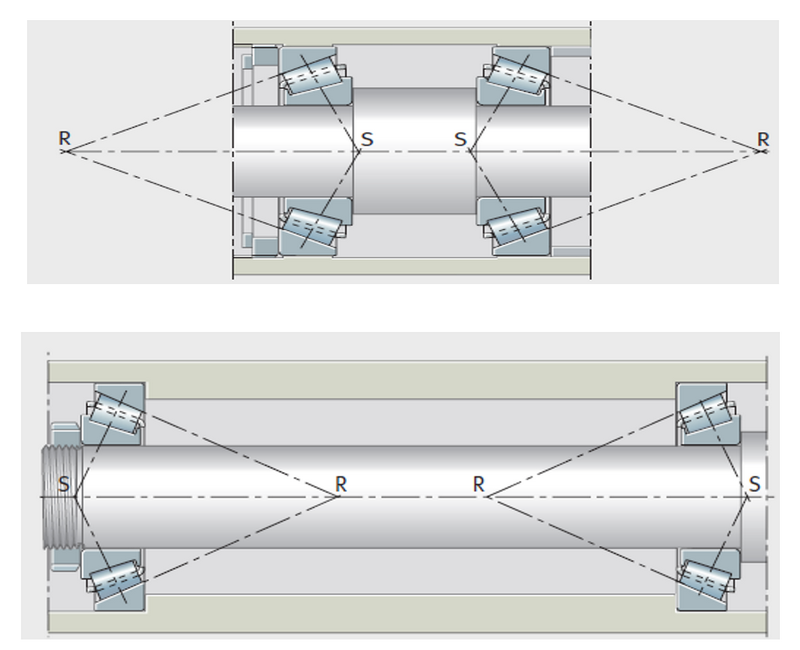
6.Double-floating bearing arrangement
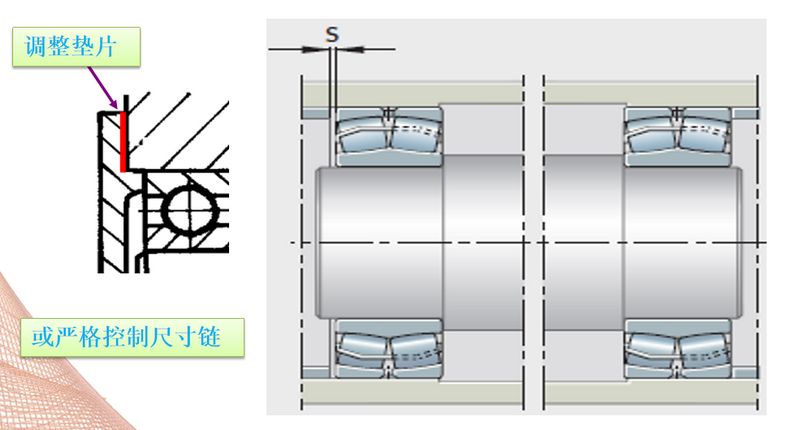
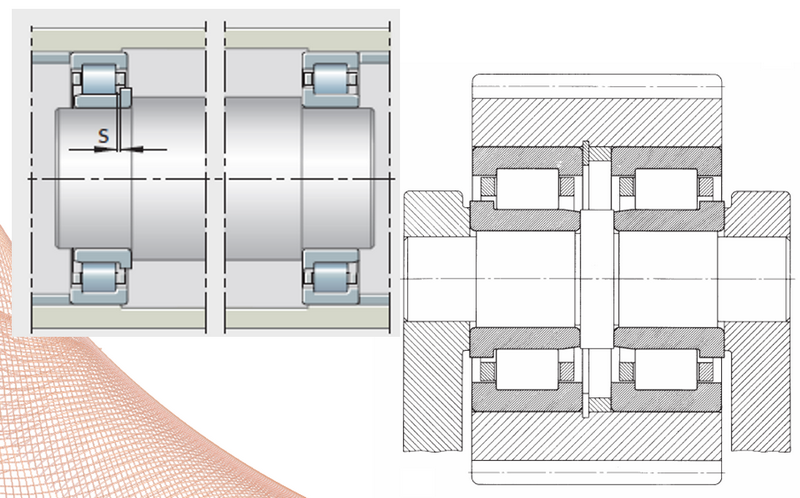
This arrangement is commonly used for short shafts under normal operating temperature (span L ≤ 400 mm).
The two supports each restrict axial movement of the shaft in one direction, so the shaft is restrained from movingaxially in both directions. To prevent additional stress caused by shaft thermal elongation, a thermal compensationclearance C =0.2 ~0.4 mm is reserved between the bearing cover and the end face of the outer ring.
05 Bearing Clearance and Fit Tolerance
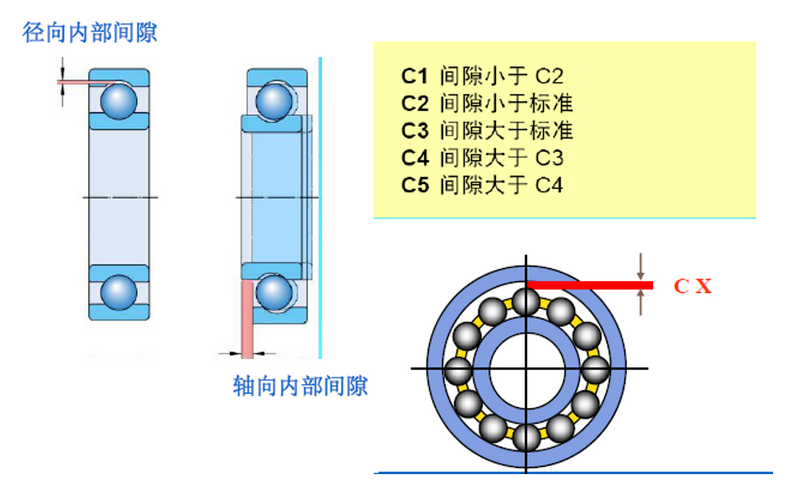
1.Bearing clearance
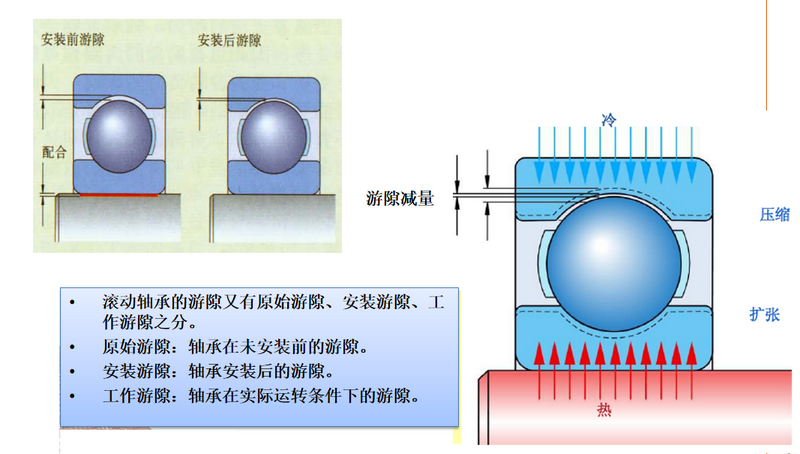
2.Operating clearance of bearings
3.Fits and dimensional tolerances
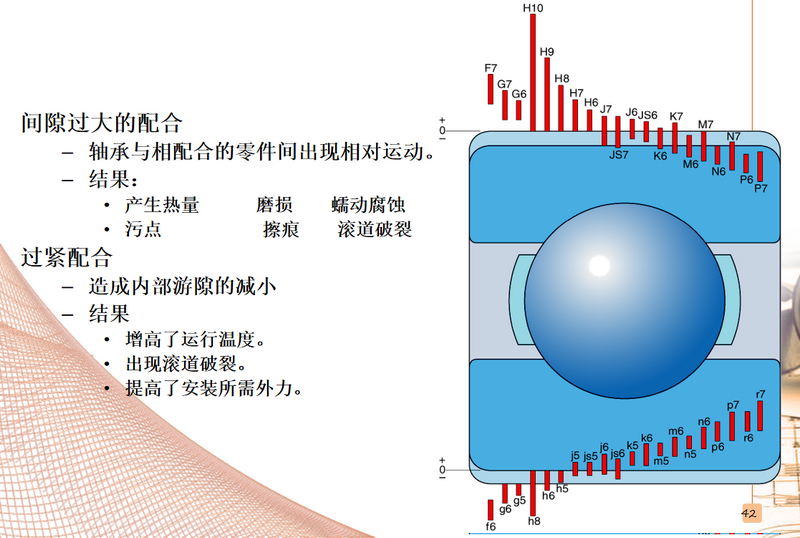
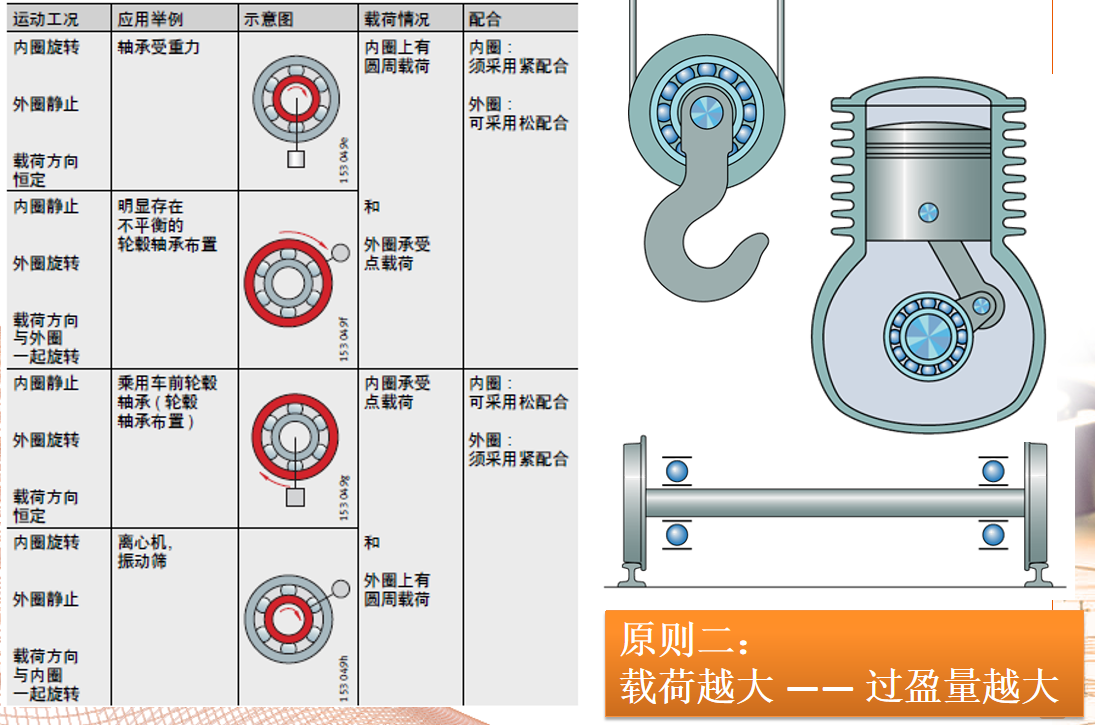
4.How to select fit tolerances
Fill in the form below and submit. We will receive your email and reply soon.
Enter the code shown in the image to send your email.